

How education is being used more and more in games to teach people on many different subjects
By Melon Gaming
Dec 13, 2022, 12:00:00 AM
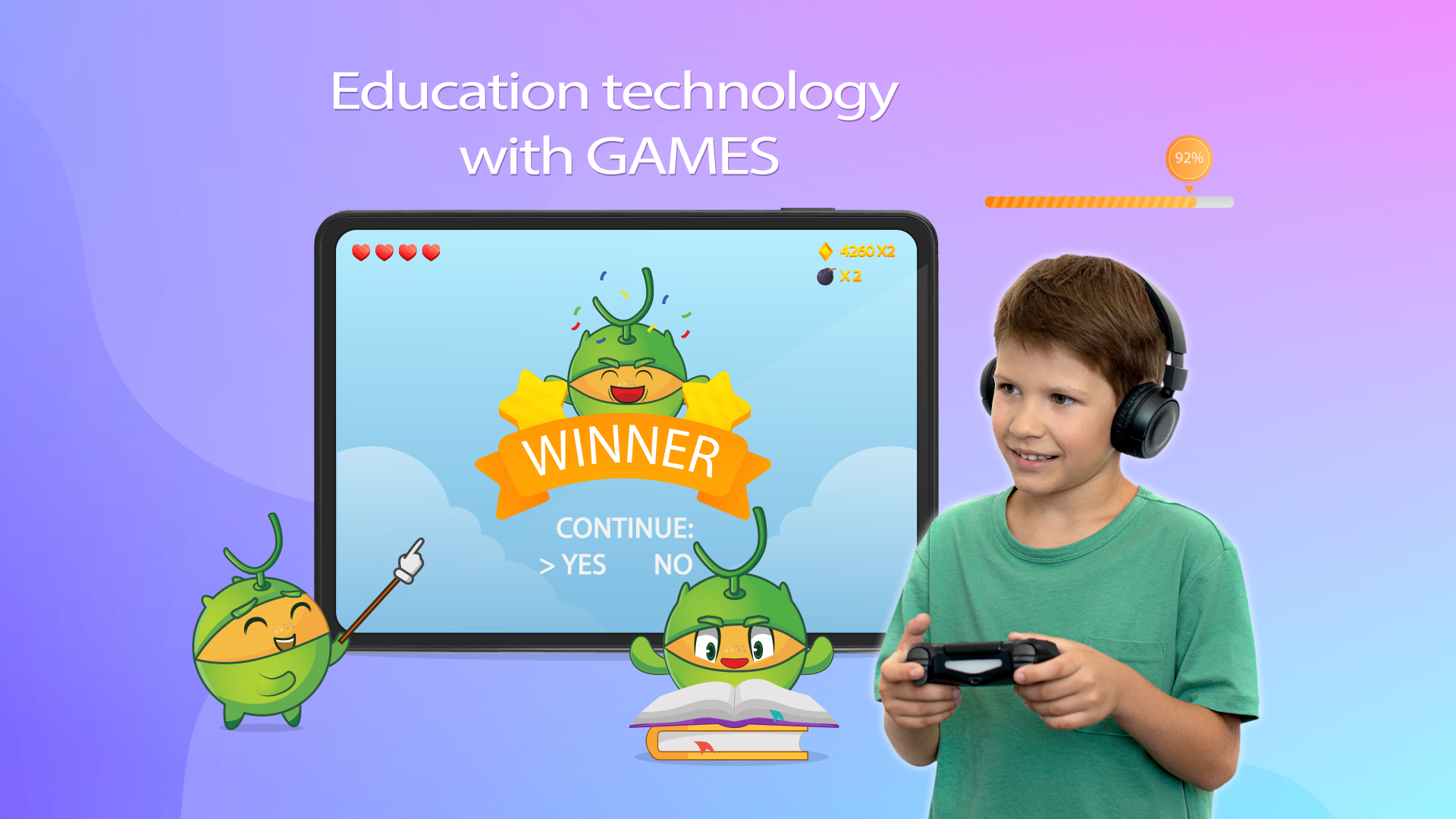
Education technology both established and new is quickly becoming a hot topic of discussion among professionals in the field. Gaming in the classroom may seem like it gets in the way of learning. Still, its purpose in the classroom is to get students more interested and motivated, to improve their visual skills, to help them interact and work with their peers better, and to show them how to use gaming values in the real world.
While the use of technology in education is thought to simplify and improve learning, it is essential to note that this does not necessarily translate to increased student accomplishment, as the technology tools utilized in the classroom must be consistent with the curriculum to be of any benefit. This paper talks about how games can be used to teach History, a subject mostly about facts. It does this by focusing on the role games play in education.
Educators say that the fun of playing games is a big part of why they are so popular with kids, even though it is not the only reason. Games can help kids learn essential but complex skills they might not otherwise want to learn.
An instructional technologist for Buncombe County Schools in western North Carolina says that the success of using video games in the classroom stems from the fact that many of them feature engaging narratives that can rapidly catch students. In a game she made called discovering the Ancient Pyramids Adventure, sixth-graders use Google Maps Treks, which give a 360-degree view of the old buildings, to go on a quest inside the Great Pyramid and solve a mystery while they explore. She says the game helps them remember what they learned in class about ancient Egypt.
Teachers can make games harder or easier based on how well each student is doing. That makes it more likely that all students will take part. Banerjee, who has worked in the field of learning disabilities for more than 29 years, says that games can be beneficial for students with special needs because they shake up traditional ways of learning and give them chances to succeed where they have often failed.
This way, students who could do better on traditional assignments can be recognized for their contributions. For example, in a math class, teachers can credit the student who made the "most creative calculation error.